Arthur Gar Lock Chang
Date Published
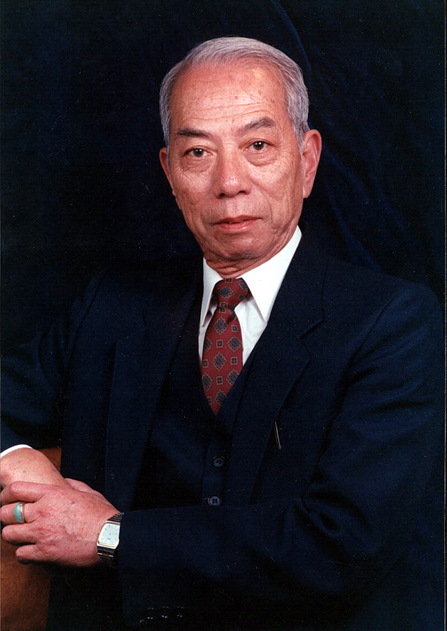
: Arthur Gar Lock
: Male
: 鄭嘉樂
: 1922
: 2016
: Zhongshan 中山
: Sydney
: Pearl River Delta 珠江三角洲
: Political activism
Arthur Gar Lock Chang
Arthur Gar Lock Chang
Arthur Gar Lock Chang was born in February 1921 in the village of Longxu, in Zhongshan County, Guangdong Province, near Hong Kong in southern China. His father, Chang Yat, was one of the few Chinese who had not been deported or returned to China after the introduction of the White Australia Policy in 1901. Chang Yat had managed to make a life in rural Australia after the goldrushes — working as a market gardener, kitchen hand, furniture maker, road builder and even as a jackaroo.
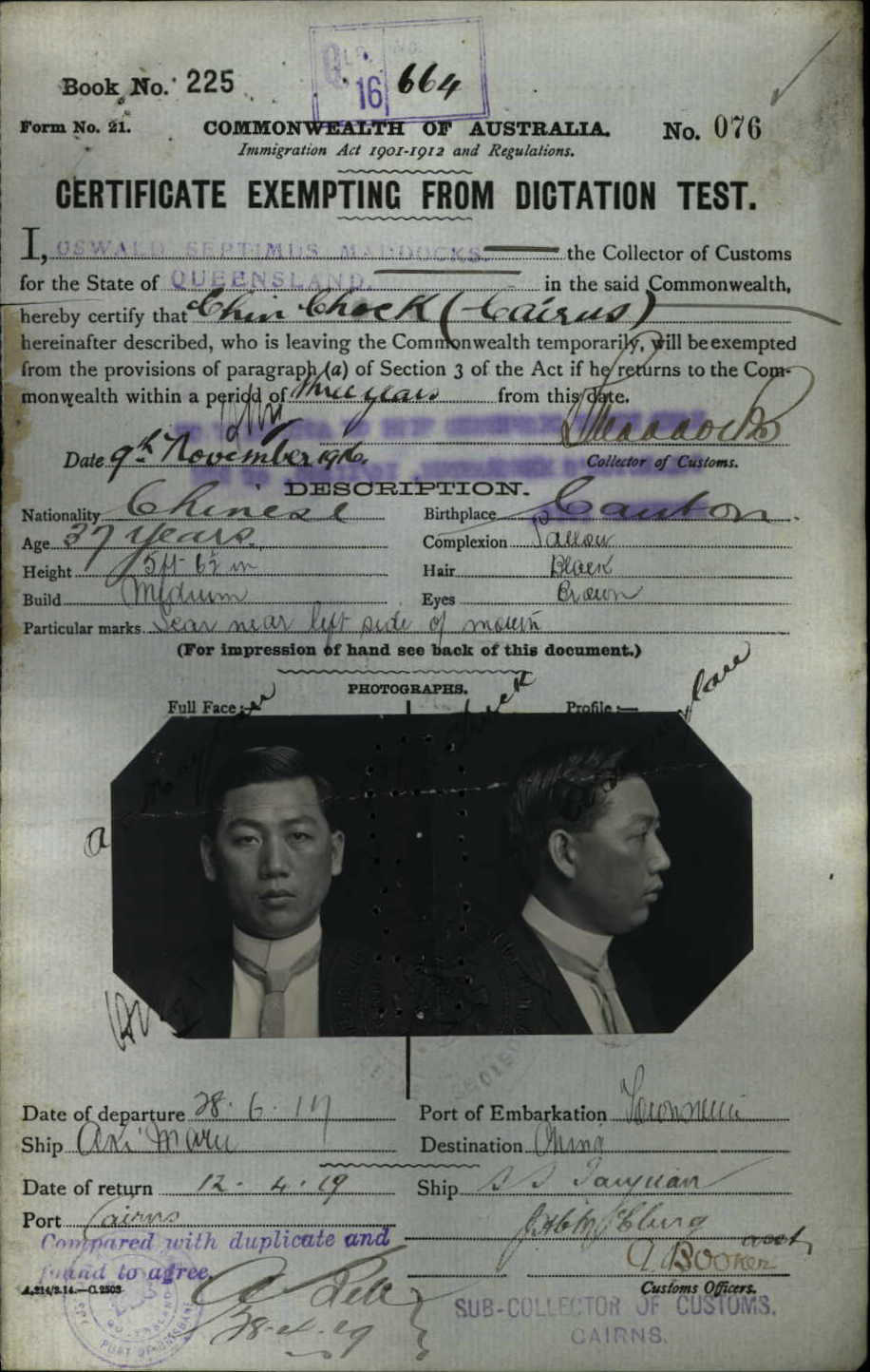
Chang Yat brought his son Arthur out to Australia at the age of 14 – to the tin-mining township of Tingha on the Western Tablelands of New South Wales. As Chinese (and most non-British who sought to live or work in Australia prior to World War II) were subject to the White Australia Policy, they had to pass strict rules to enter the country.
His father arranged for him to be indentured to an employer so Arthur would not have to pass the dictation test, which could be set in any language the immigration officials desired. But this also meant Arthur was not allowed to look for other work, or he would lose his right to stay in Australia.
Arthur’s father had promised his wife that he would return with his son to China in five years time. As Arthur said later, ‘I didn’t see my mother for 27 years. Under the White Australia Policy I couldn’t leave at my own will.’ These restrictions, and the experiences of other Chinese who had managed to stay in Australia, were to underpin much of the work of the rest of Arthur’s life.
Arthur Gar Lock Chang had moved to Sydney in March 1942, working in a fruit shop, then on the assembly line at a tyre factory in Granville. He joined the Chinese Youth League, drawn to its social activities and political discussions. As he spoke English, he was appointed assistant secretary of the Chinese Seamens’ Union Sydney Branch.
Chang helped seamen in finding accommodation, negotiating contracts and organising crews. During the war there was a desperate shortage of crews, and despite the official White Australia Policy, Chinese sailors were needed. The Chinese Seamens’ Union was accepted by Australian unionists as well as the government – both historically opposed to non-Australian labour. Despite shipping companies’ reluctance to pay equal wages, in 1943 they were forced to at least pay a basic wage with wartime bonuses.
By 1946, many of the Chinese sailors returned to China, now free from a defeated Japan and undergoing a struggle between Communists and Nationalists for the country’s future. But Arthur Gar Lock Chang continued his work to support Chinese in Australia, and to support his homeland from Australia. He fought to prevent unfair deportations and his work was an important part of a shift in public opinion about the White Australia Policy.
Despite Australian political distance from a communist China after 1949, he continued to promote engagement with China in the 1950s. From 1961 to 1974 Arthur was the Chairperson of the Chinese Youth League. He was involved in many cultural exchanges with China, particularly after diplomatic ties between Australia and China were opened in 1972. In 2003 Arthur was awarded the Centenary Medal of Australia for services to the Chinese community in Australia.
Arthur Gar Lock Chang died on 14 January 2016.
Extract from Arthur Gar Lock Chang: An Australian-Chinese link with the Indonesian independence struggle. Posted on 17 Aug 2015 by Stephen Gapps
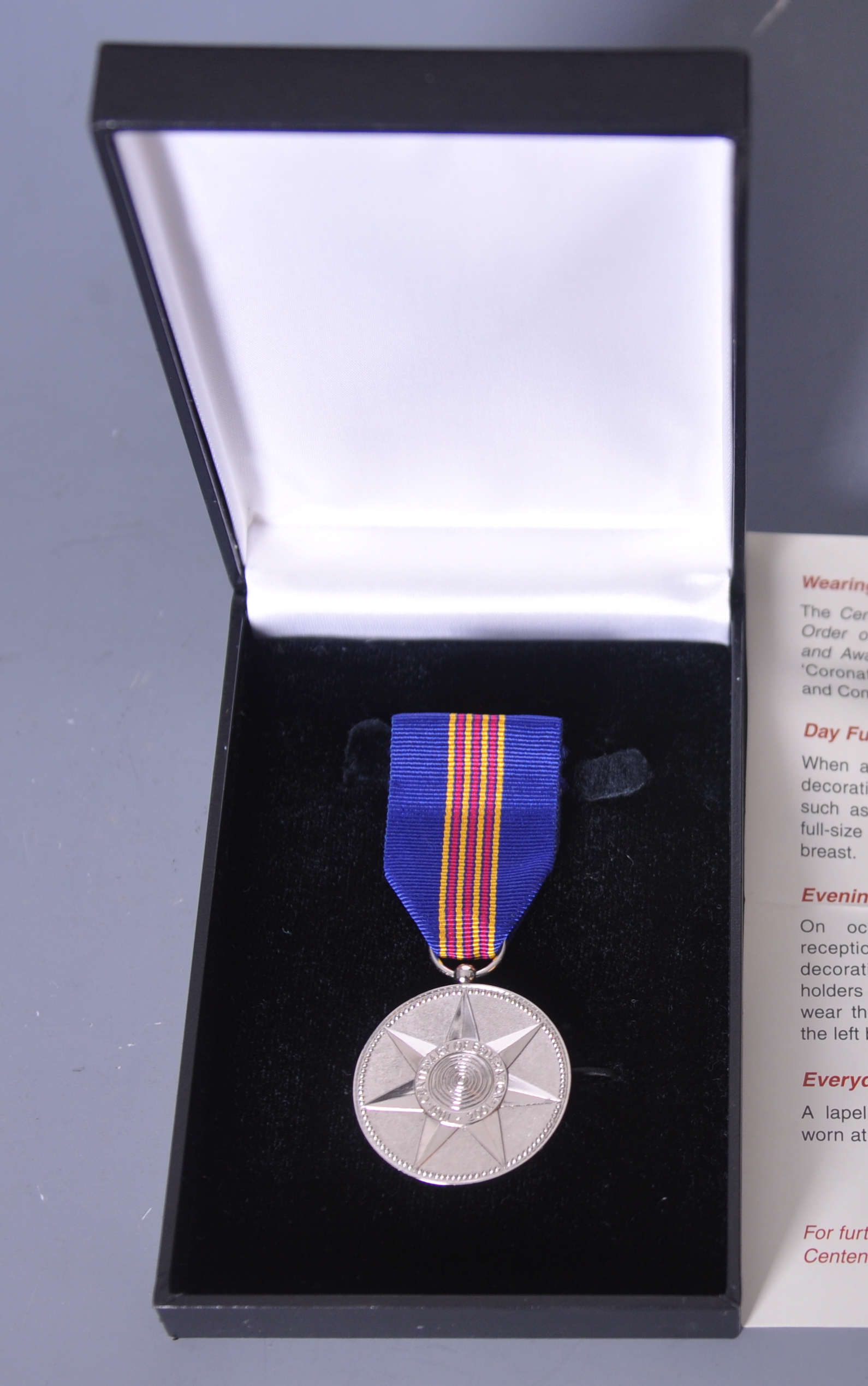
Arthur Gar Lock Chang's Centenary Medal